
Invest in New York
New York condos: an investor's guide
Global demand, scarce new supply and strong rents, balanced against high entry prices and layered taxes. Here is how to buy well.
$1.65M
Manhattan resale condos, Q3
Median condo price
$1,807 avg
Manhattan resale condos
Price per sq ft
Low single digits
varies by unit
Rental yield (gross)
+10% YoY resale condo median
Q3
Price change
Data as of Q3 2026 (Manhattan unless stated)
Why New York, and how it works
New York has one of the deepest apartment markets in the world. In Q3 2026 the Manhattan resale condo median reached a record $1,650,000, up 10% year over year, while new-development inventory fell to its lowest level since late 2012.
The first decision is the type of ownership. Co-ops account for about half of Manhattan sales, more than resale condos, and they can restrict renting, pied-à-terre use and financing. Condos are usually the practical choice for investors and international buyers.
Why investors choose New York
Strong rental demand
The Manhattan median rent reached $5,395 a month in September 2026, up 9% year over year, with Brooklyn at $4,300.
Scarce new supply
Manhattan sponsor inventory fell 22% to 564 listings in Q3 2026, its lowest level since the fourth quarter of 2012.
Depth and liquidity
Manhattan recorded 3,625 sales in Q3 2026, the strongest third quarter since 2022, according to Corcoran.
Condo flexibility
Condos generally allow leasing and pied-à-terre use within building rules, and boards usually waive their right of first refusal.
Open to global buyers
Condo boards generally cannot reject a buyer outright and very rarely exercise their right of first refusal, which makes condos the standard route for buyers based outside the US.
Buying in New York: two paths
Moving to New York from another state
Relocating for work or lifestyle? Weigh income taxes, the type of ownership and how monthly costs compare with renting.
- New York State taxes residents' income at rates up to 10.9%, and New York City residents pay an additional city tax of up to 3.876%.
- Co-ops are often priced lower but require board approval and typically larger down payments; condos offer more flexibility.
- An apartment that is your primary residence is exempt from the new pied-à-terre surcharge.
- Budget for common charges and property taxes in a condo, or monthly maintenance in a co-op, and compare buildings carefully.
Buying New York from abroad
Condos are the usual route for buyers based outside the US. Plan for transaction taxes, the pied-à-terre surcharge and US tax filings.
- Condo boards review an application and usually waive their right of first refusal; many co-ops do not allow pied-à-terre purchases.
- A condo that is not anyone's primary residence and has a city Department of Finance market value of $1 million or more may owe the pied-à-terre surcharge; it does not apply if the unit is a tenant's primary residence under an arm's-length lease of at least one year.
- Rental income from New York property is New York-source income, taxable by the state even for nonresidents.
- When a foreign owner sells, FIRPTA withholding generally applies. Work with a cross-border tax advisor before you buy.
The market at a glance
- Median condo price
- $1.65M (Manhattan resale condos, Q3)
- Price per sq ft
- $1,807 avg (Manhattan resale condos)
- Rental yield (gross)
- Low single digits; varies by unit
- Price change
- +10% YoY resale condo median (Q3)
- Property tax
- Class 2: ~12.4% of assessed value
- State and city income tax
- Up to 10.9% NYS + 3.876% NYC
- Buyer closing costs
- ~3–4% condo; up to ~5% new dev.
- Best for
- Long-term value, steady rental demand
Data as of Q3 2026 (Manhattan unless stated)
Where to invest in New York
Manhattan figures are Q3 2026 resale condo medians for Corcoran's market areas; Brooklyn figures cover all home types. Condo prices within each area vary widely by building.
Upper East Side
Prewar and postwar buildings between Central Park and the East River. Co-ops dominate the housing stock, so condo inventory is selective and worth tracking early.
Best for: Long-term holds, primary residences
Typical pricing: Resale condo median $1.895M (East Side, Q3)
Upper West Side
Classic prewar buildings and modern condos between Central Park and Riverside Park, close to major cultural institutions.
Best for: Long-term rentals, primary residences
Typical pricing: Resale condo median $1.71M (West Side, Q3)
Midtown
Includes Hudson Yards and the supertall towers near Central Park South, along with full-service condo buildings close to offices and transit hubs.
Best for: New development, pied-à-terre
Typical pricing: Resale condo median $1.095M (Q3)
Downtown Manhattan
From Financial District conversions to Tribeca lofts and smaller buildings in the West Village and SoHo, with a broad mix of condo product.
Best for: Lofts, new development, rentals
Typical pricing: Resale condo median $2.575M; FiDi/BPC $935K (Q3)
Upper Manhattan
Harlem, Washington Heights and Inwood offer brownstone-lined streets, large parks and newer condo buildings at Manhattan's lowest entry prices.
Best for: Entry-level investment, value
Typical pricing: Resale condo median $770K (Q3)
Williamsburg, Brooklyn
Waterfront towers and loft conversions a short subway ride from Manhattan, with a large stock of newer amenity condo buildings.
Best for: Rentals, newer condos
Typical pricing: Median $1.97M (all home types, Q3)
Brooklyn Heights and Park Slope
Brownstone neighborhoods near Brooklyn Bridge Park and Prospect Park, with boutique condos and townhouse conversions.
Best for: Long-term holds, primary residences
Typical pricing: Medians ~$1.78M (all home types, Q3)
Ownership and transaction costs in New York
New York layers several taxes on purchase and ownership. Model them before you choose a building.
Property taxes
Condos are in tax Class 2, taxed at about 12.4% of assessed value, which is at most 45% of the city's market value. By state law the city values condos as if they were rental buildings, so its market values are often well below sale prices; check each unit's actual tax bill.
Pied-à-terre surcharge
For 2026-27 and 2027-28, condo and co-op units with a city market value of $1 million or more that are no one's primary residence pay an annual surcharge of 4% to 6.5% of that value. From July 2028 the threshold rises to $5 million, with rates of 0.8% to 1.3% and values based on comparable sales; the surcharge is set to expire in June 2031 unless extended.
Common charges
Monthly common charges cover building staff, insurance, maintenance and amenities, and vary widely by building. Review the budget, reserves and any planned assessments.
Mansion tax
Buyers pay a tax starting at 1% of the price on residential purchases of $1 million or more, rising to a combined 3.9% at the highest price levels in New York City.
Mortgage recording tax
Financed condo purchases pay a tax of 2.05% of the loan under $500,000 and 2.175% at $500,000 and above; buyers typically pay about 1.8% to 1.925% after the 0.25% the lender pays.
Transfer taxes
Sellers normally pay the city transfer tax (1% up to $500,000, 1.425% above) and the state tax of 0.4% (0.65% from $3 million). In new-development purchases, buyers usually pay the sponsor's transfer taxes unless negotiated.
Leasing costs
Under the FARE Act, in effect since June 11, 2025, a landlord's broker fee cannot be charged to the tenant, so owners who hire a leasing broker pay that fee.
How to buy a condo in New York
-
1
Choose condo or co-op
How you will use the apartment decides it. Investors and international buyers usually focus on condos; co-ops can suit primary residences.
-
2
Assemble your team
Line up financing or proof of funds and a New York real estate attorney, who negotiates the contract and runs due diligence.
-
3
Negotiate the offer
Offers are negotiated through brokers. Once terms are agreed, the seller's attorney drafts the contract.
-
4
Due diligence and contract
Your attorney reviews the offering plan, building financials, board minutes and rules before you sign and fund the contract deposit.
-
5
Board application
Condos require an application so the board can waive its right of first refusal; co-ops require a full board package and usually an interview.
-
6
Close
Transfer taxes, the mansion tax and, if financing, the mortgage recording tax are paid at closing. On new development, budget for sponsor-related costs as well.
Condos for sale in New York
View all New York listings →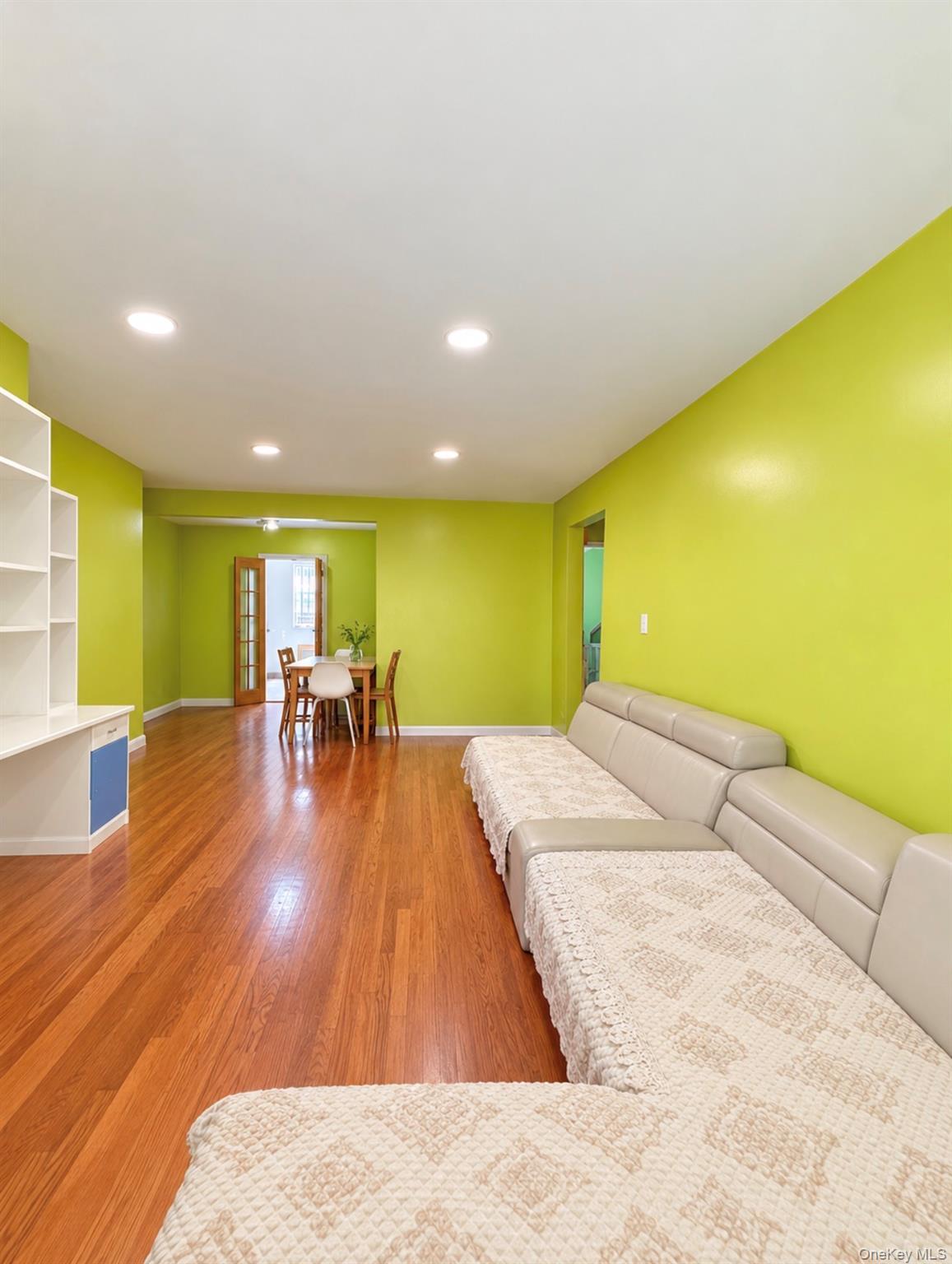
6711 152nd St Unit B
Flushing
$289,000
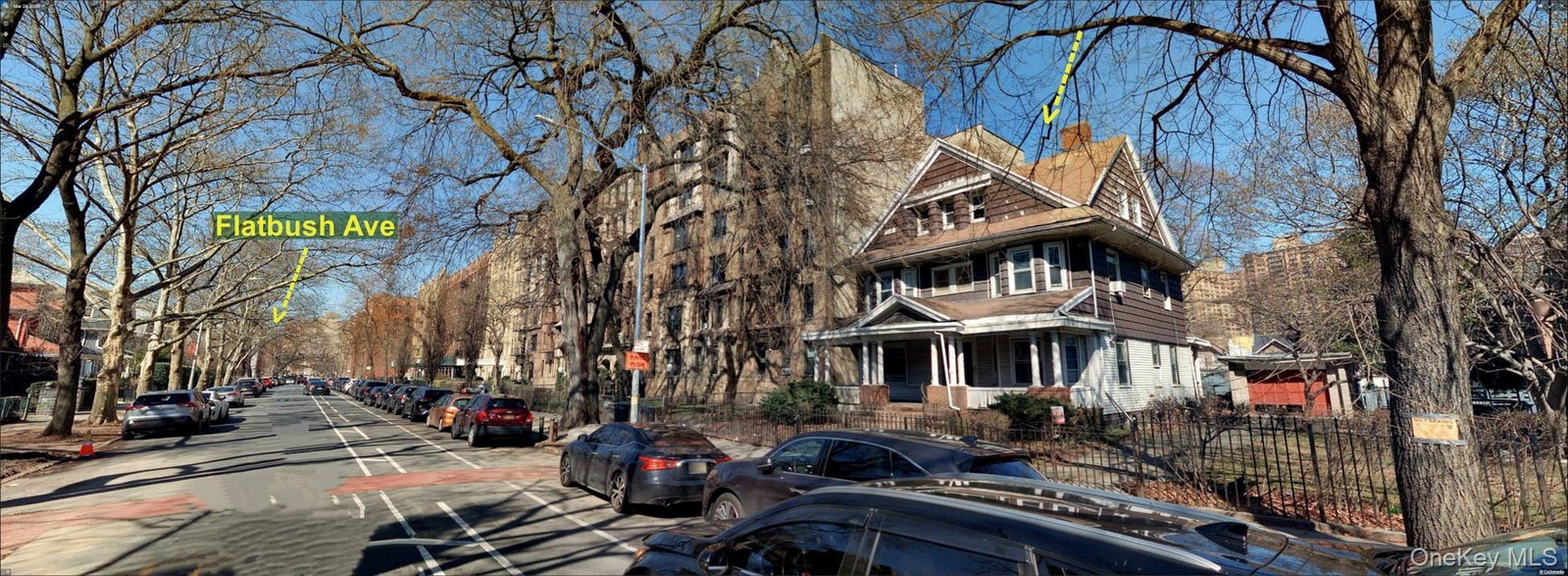
361 E 45th St
Brooklyn
$610,000
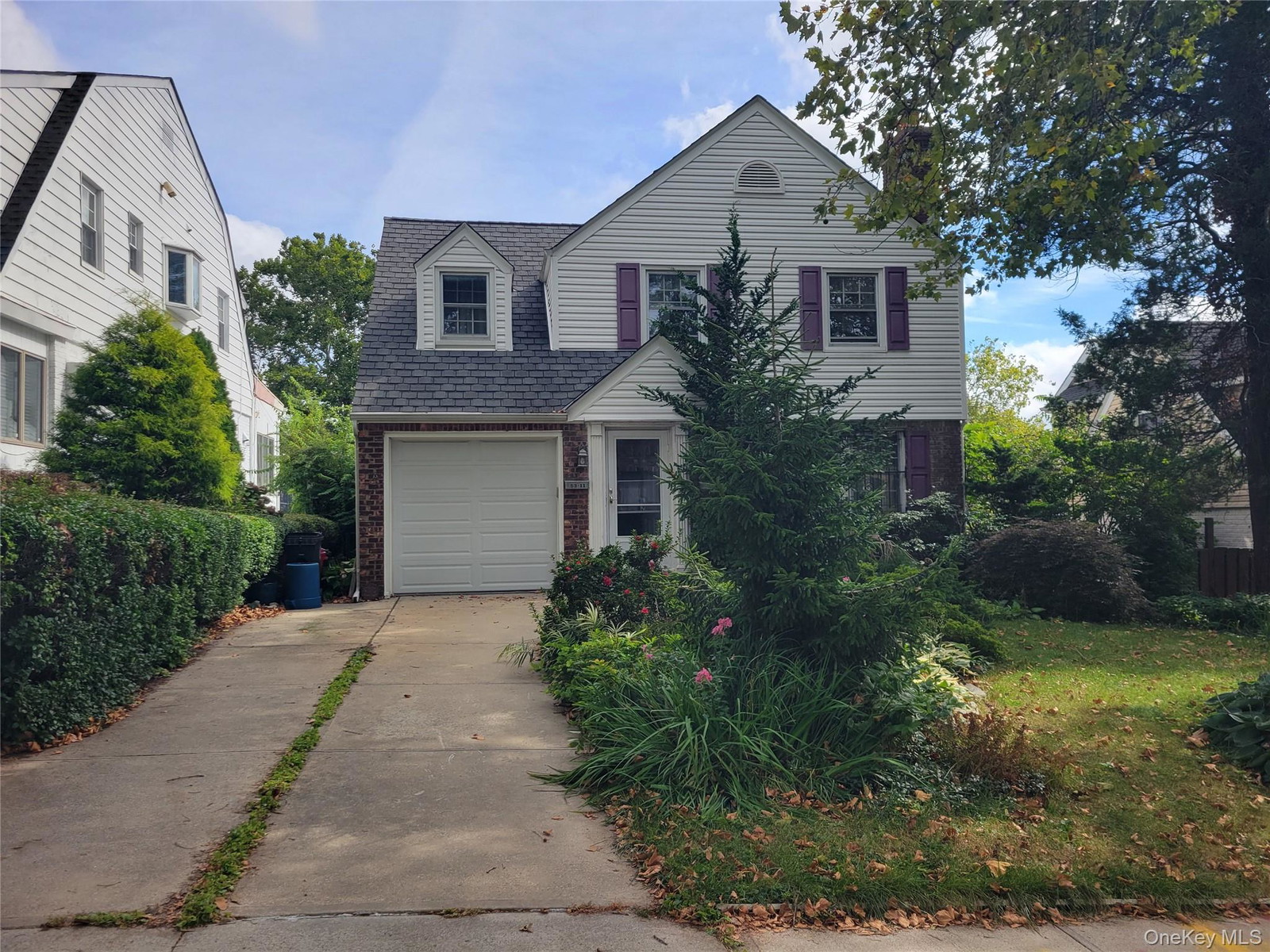
155 Lincoln Rd
Brooklyn
$2,500,000
5311 251st Pl
Little Neck
$999,999
4032 Hubbard Pl
Brooklyn
$750,000
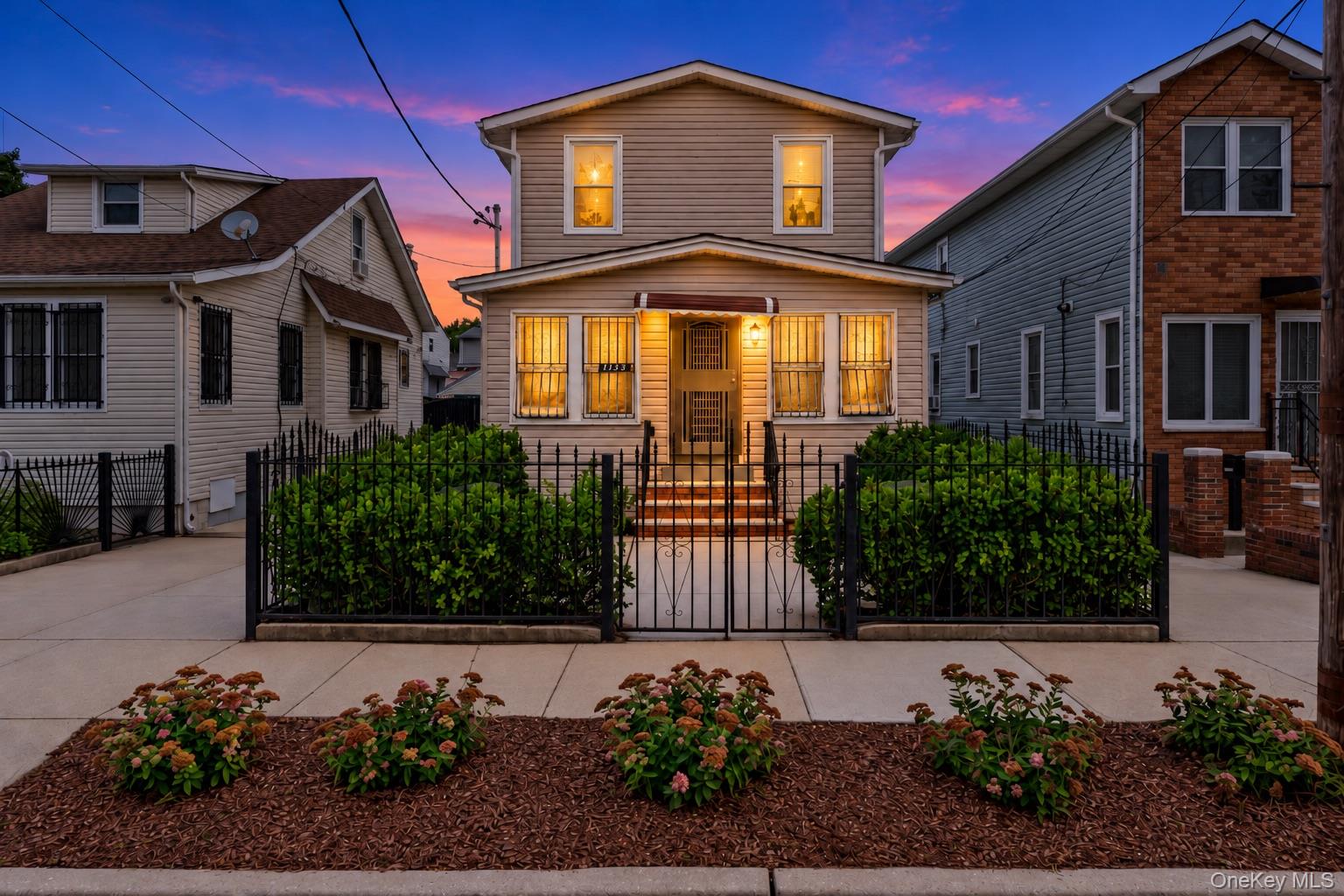
11135 166th St
Jamaica
$829,000
New York guides and insights
New York condo FAQ
Condo or co-op: which should an investor buy?
Usually a condo. Co-op boards can reject buyers without giving a reason, and many limit subletting and restrict or ban pied-à-terre ownership. Condos generally allow leasing within building rules, and boards usually waive their right of first refusal. Co-ops trade at lower prices: the Q3 2026 Manhattan resale co-op median was $875,000, against $1,650,000 for resale condos.
Can foreigners buy property in New York?
Yes. There is no citizenship requirement to own a condo in New York, and condo boards generally cannot reject a buyer outright, although they review an application and hold a right of first refusal that they rarely use. Many co-ops are more restrictive. Foreign owners should plan for FIRPTA withholding on a future sale and for US and New York tax filings, with guidance from a cross-border tax advisor.
Can I rent out my New York condo?
Generally yes, for longer terms. Condos typically allow leasing subject to the bylaws, and many set minimum lease terms. Co-ops often restrict subletting, limiting how long and how often you can sublet, and require board approval of tenants.
Are short-term rentals allowed?
Rarely. Rentals of fewer than 30 days are prohibited unless the permanent resident is present during the stay, and hosts must register with the city under Local Law 18. Some buildings are on the city's prohibited list, so investors should plan for leases of 30 days or more.
What is New York City's pied-à-terre surcharge?
It is an annual surcharge, in effect since May 2026, on condo and co-op units with a Department of Finance market value of $1 million or more that are not the primary residence of the owner, a tenant or an immediate family member; 1-3 family homes valued at more than $5 million are also covered. Rates for 2026-27 and 2027-28 run from 4% to 6.5% of the city's market value, which is generally below sale prices. The first charge appears on the property tax bill due January 1, 2027.
What taxes are due when I buy?
Buyers pay the mansion tax on purchases of $1 million or more and, if financing, the mortgage recording tax. Sellers normally pay city and state transfer taxes, but in new-development sales buyers usually cover them. Total buyer closing costs for a condo often run about 3–4% of the price, and up to about 5% for new development.
How is rental income taxed?
Rental income from New York property is New York-source income, so the state taxes it even if you live elsewhere. New York City's income tax applies only to city residents. Federal rules also apply, so work with a tax professional who handles New York and cross-border filings.
Plan your New York purchase
Share your budget and goals. A My Condo Expert broker will compare buildings, coordinate with your attorney and guide you through the board process to closing.
Book a consultation →Thank you!
We'll be in touch shortly.
Speak With An Advisor
Get Expert Guidance
Tell us what you're looking for and a Miami condo specialist will reach out shortly.