Invest in Miami
Miami condos: an investor's guide
Waterfront towers, no state income tax and a condo market that currently rewards prepared buyers. Here is what to know before you buy.
$417,090
existing condos, Sept.
Median condo price
~$350 median
Sept. 2026, MLS data
Price per sq ft
Varies by building
model net of fees
Rental yield (gross)
-0.7% YoY median
Sept. 2026
Price change
Sales data as of September 2026; 2026 proposed tax rates
Why Miami, and what has changed
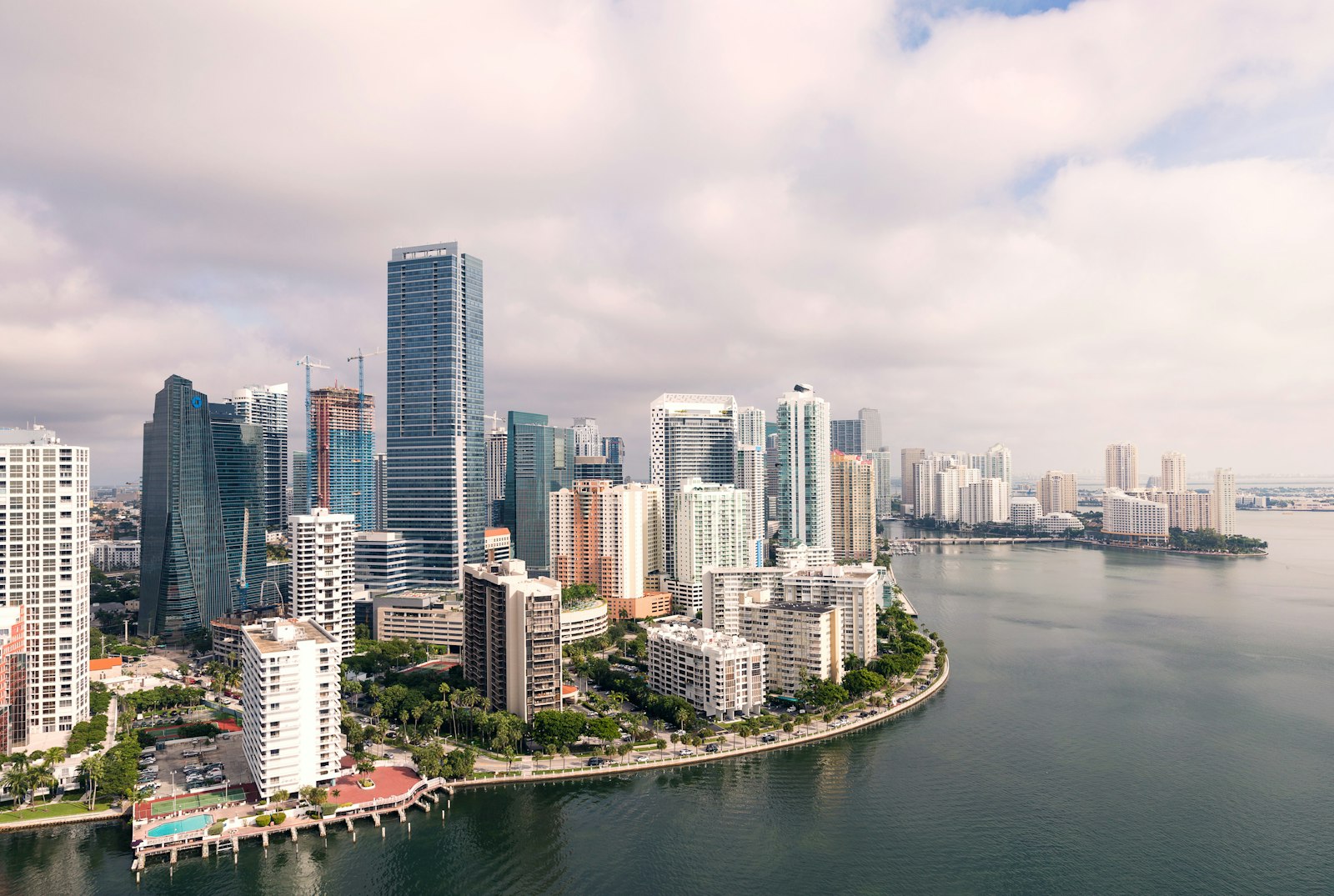
Miami-Dade's condo market is large and varied, from older mid-rise buildings to new waterfront towers. In September 2026 the median sale price for existing condos was $417,090, roughly flat year over year, and 49.4% of existing condo sales closed in cash.
The market is in transition. Florida's post-Surfside safety laws require milestone inspections, structural integrity reserve studies and reserves for key structural components, which has raised costs and weighed on prices in many older buildings. With about 12 months of condo supply, buyers who do their due diligence have room to negotiate.
Why investors choose Miami
No state income tax
Florida does not impose a personal income tax. That matters for relocating residents and for rental income, although federal tax still applies.
International demand
Florida was the top US state for foreign buyers of existing homes, accounting for 20% of them from April 2025 to March 2026, according to the National Association of Realtors.
Range of product
From value-oriented resales to waterfront towers in Brickell, Miami Beach and Sunny Isles Beach, the market spans many price points, building ages and amenity levels.
Buyer leverage
Miami-Dade had about 12.3 months of condo supply in September 2026, a buyer's market, even as condo inventory fell 7.2% year over year.
Better building information
Milestone inspections and structural integrity reserve studies give buyers far more information about a building's condition and future costs than before.
Buying in Miami: two paths
Moving to Miami from another state
Many buyers relocate to Florida to live full-time or to split the year. Plan around residency, property taxes and each building's rules.
- Florida has no personal income tax; confirm with a tax advisor how and when residency in your previous state ends.
- A permanent residence owned on January 1 can qualify for a homestead exemption of up to $51,411 for 2026; the application deadline is March 1.
- Homestead assessments rise by no more than 3% or inflation, whichever is lower (2.7% for 2026); non-homestead increases are capped at 10% a year for non-school taxes.
- Amendment 3 on Florida's November 3, 2026 ballot proposes a larger homestead exemption for non-school taxes and a lower cap for non-homestead property; check the result before you budget.
Buying Miami from abroad
Foreign buyers have long been central to Miami's condo market. Focus on ownership rules, financing, rental rules and taxes on income and on sale.
- There is generally no citizenship requirement to own a condo, but Florida restricts purchases by certain buyers tied to designated foreign countries, and buyers sign a related affidavit.
- The homestead exemption requires US citizenship or permanent residency, so most foreign owners pay property tax without it.
- Lenders review condo buildings closely: Fannie Mae and Freddie Mac retired their limited condo project review for loan applications dated on or after August 3, 2026, and many foreign buyers pay cash.
- When a foreign owner sells, FIRPTA withholding generally applies. Plan US tax filings on rental income with a cross-border tax advisor.
The market at a glance
- Median condo price
- $417,090 (existing condos, Sept.)
- Price per sq ft
- ~$350 median (Sept. 2026, MLS data)
- Rental yield (gross)
- Varies by building; model net of fees
- Price change
- -0.7% YoY median (Sept. 2026)
- Property tax
- ~2% of taxable value (City of Miami)
- State and city income tax
- None (no state or city income tax)
- Buyer closing costs
- Often ~1% cash; more if financed
- Best for
- Rental income, second homes, relocation
Sales data as of September 2026; 2026 proposed tax rates
Where to invest in Miami
Each area offers a different mix of building age, amenities, rental rules and price. Figures are condo and townhouse medians from BeachesMLS data compiled by PBP Real Estate, for sales from January to September 2026 (YTD) or the 12 months to September 2026 (12 mo.); individual buildings vary widely.
Brickell and Downtown
Miami's financial district and its downtown neighbor are dense with high-rise condo towers, many with full amenities, close to offices, dining and public transit. Rental rules differ sharply from one building to the next.
Best for: Urban rentals, pied-à-terre, new construction
Typical pricing: Varies widely by tower; ask for building comps
Miami Beach
A barrier-island city with oceanfront and bayfront condos, from historic low-rise buildings to full-service towers. Short-term rentals are prohibited in many zoning districts, so verify each building's status.
Best for: Second homes, long-term rentals
Typical pricing: Median ~$510K; ~$574/sq ft (2026 YTD)
Sunny Isles Beach
A strip of oceanfront high-rises along Collins Avenue, mixing older buildings with newer towers that offer extensive amenities and direct beach access.
Best for: Oceanfront second homes
Typical pricing: Median ~$548K (YTD); ~$450/sq ft (12 mo.)
Aventura
A northeast Miami-Dade city of mid- and high-rise condos near major retail and marinas, typically at lower prices per square foot than the beach cities.
Best for: Value, long-term rentals
Typical pricing: Median ~$440K (YTD); ~$328/sq ft (12 mo.)
Coral Gables
A planned city with tree-lined streets, Mediterranean Revival architecture and boutique and mid-rise condo buildings close to offices and dining.
Best for: Primary residences, long-term holds
Typical pricing: Median ~$590K; ~$543/sq ft (2026 YTD)
Coconut Grove
A bayfront neighborhood with marinas, parks and a limited supply of boutique and luxury condo buildings, priced well above the county median.
Best for: Luxury residences, long-term value
Typical pricing: Median ~$1.5M; ~$870/sq ft (2026 YTD)
Key Biscayne
An island village reached by causeway, with beachfront condos, parks and a marina. Limited land keeps the supply of condos tight.
Best for: Waterfront second homes
Typical pricing: Median ~$1.43M (YTD); ~$914/sq ft (12 mo.)
Ownership and transaction costs in Miami
Budget beyond the purchase price. These are the costs that most often change a Miami condo's returns.
Property taxes
About 2% of taxable value in the City of Miami based on 2026 proposed millage, and lower in several other municipalities. Without a homestead exemption, assessments can rise up to 10% a year for non-school taxes.
Condo association fees
The median monthly fee for condos listed for sale in Miami was $968 in late October 2026, and nearly half of listings (48.3%) carried fees of $1,000 or more, according to an MLS-based index. Fees typically fund building insurance, reserves, staff and amenities, so review the budget line by line.
Reserves and special assessments
Condo buildings three or more habitable stories tall need a structural integrity reserve study at least every 10 years, and owner-controlled associations can no longer waive those reserves, although a 2025 law allows a temporary pause to fund repairs after a milestone inspection. Older buildings may levy special assessments for repairs found in milestone inspections.
Insurance
The association insures the building; owners insure their unit's interior finishes, fixtures, appliances and personal property. Ask about the master policy's deductibles and wind and flood coverage.
Closing taxes
On resales the seller customarily pays the deed documentary stamp tax, $0.60 per $100 in Miami-Dade; a deed for a single condo unit is generally exempt from the county's additional $0.45 surtax. Financed buyers pay $0.35 per $100 of the mortgage plus a 0.2% intangible tax that lenders usually pass on.
Title insurance and fees
In Miami-Dade the buyer customarily pays for the owner's title policy under the standard regional contract terms, although it is negotiable. Cash buyers often budget around 1% of the price in closing costs; financing adds mortgage taxes, lender fees and prepaid items.
Short-term rental taxes
Rentals of six months or less are subject to Florida's 6% state sales tax plus the county sales surtax and local transient rental taxes, and many cities and buildings restrict them.
How to buy a condo in Miami
-
1
Define strategy and budget
Decide how you will use the unit, whether to pay cash or finance, and your target holding period. Foreign buyers should consult a cross-border tax advisor before choosing how to hold title.
-
2
Shortlist buildings, not just units
We filter buildings by rental rules, age, fees, reserves and recent assessments, then tour in person or by video.
-
3
Negotiate the offer
Your offer sets price, deposit, inspection and financing periods. New construction follows the developer's contract and deposit schedule.
-
4
Review the condo documents
Review the declaration, rules, budget, financial statements and, where required, the milestone inspection and reserve study reports before your review period ends.
-
5
Financing and insurance
Your lender reviews the building as well as your file. Arrange a unit owner's policy and confirm the association's coverage.
-
6
Close and set up
A title agent or attorney closes the sale and records the deed. If you plan to rent, set up a licensed property manager and any required tax registrations.
Condos for sale in Miami
View all Miami listings →
8371 SW 124th Ave 105-12
Miami
$529,900

21035 Rustlewood Avenue
Boca Raton
$699,999

17065 Rainbow Fls Trail
Boca Raton
$2,569,000

632 Snug Harbor Drive # D6
Boynton Beach
$125,000

3015 N OCEAN Boulevard # 18L
Fort Lauderdale
$549,000

10330 Copper Lake Drive
Boynton Beach
$539,000
Miami guides and insights
Miami condo FAQ
Can a foreign buyer purchase a condo in Miami?
Generally yes; there is no citizenship requirement to own a condo in Florida. Florida law restricts purchases by certain buyers tied to designated foreign countries, and buyers sign an affidavit at closing. Speak with a Florida real estate attorney about your situation.
Can I rent my Miami condo on a short-term basis?
It depends on the city's zoning and the building's own documents. Miami Beach prohibits rentals under six months and one day in single-family homes and many multifamily buildings, and many associations set minimum lease terms. Short stays are also subject to state and local transient rental taxes.
What is Florida's condo safety law and how does it affect buyers?
After the 2021 Surfside collapse, Florida required milestone inspections for condo buildings three or more stories tall, starting by the end of the year a building turns 30 (25 where local officials require), and every 10 years after. Associations must also complete structural integrity reserve studies and fund those reserves, with some flexibility added in 2025, and this has raised fees and led to special assessments in many older buildings.
How are property taxes different for a second home?
A primary residence can receive the homestead exemption, worth up to $51,411 for 2026, and a cap on assessment increases of 3% or inflation, whichever is lower (2.7% for 2026). Second homes and rentals do not qualify, but their assessed value increases are capped at 10% a year for non-school taxes. Amendment 3 on the November 3, 2026 ballot proposes a larger exemption and a 5% cap for non-homestead property and needs 60% voter approval, so confirm the rules in effect when you buy.
Can I get a mortgage on a Miami condo?
Yes, but the building must meet the lender's standards. According to MIAMI Realtors, only 21 of 2,397 condo buildings in Miami-Dade, Broward and Palm Beach (about 0.9%) are FHA-approved, and Fannie Mae and Freddie Mac tightened condo project reviews in August 2026. Loans for foreign nationals exist with different terms, and 49.4% of September 2026 existing condo sales were cash.
Is now a good time to buy in Miami?
No one can promise returns, but conditions favor prepared buyers: condo supply was about 12.3 months in September 2026 and inventory was falling. MIAMI Realtors notes the condo median has held even or risen in 166 of the last 184 months. The key is choosing a well-run building with healthy reserves.
Plan your Miami purchase
Share your budget and goals. A My Condo Expert broker will shortlist buildings, review the numbers and coordinate every step to closing.
Book a consultation →Thank you!
We'll be in touch shortly.
Speak With An Advisor
Get Expert Guidance
Tell us what you're looking for and a Miami condo specialist will reach out shortly.