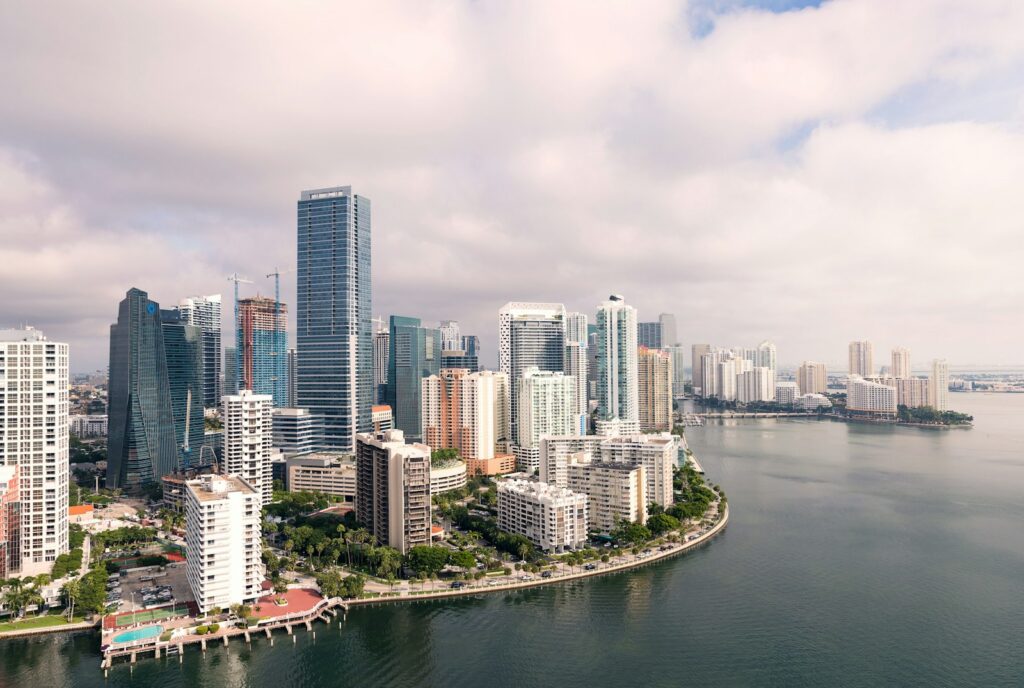
Condo Investment
Complete Miami Condo Investment Guide 2027
Everything International Buyers Need to Know Before Investing in Miami Real Estate
25 min read
6–8%
Average Appreciation
Per year (10-yr avg)
4–7%
Avg Rental Yield
Gross annual yield
< 5%
Vacancy Rate
Miami metro 2024
+3.2%
Population Growth
Annual Miami-Dade
My Condo Expert Miami
Miami has evolved from a seasonal vacation destination into a genuine global financial hub. Over the past decade, a wave of relocating hedge funds, private equity firms, and family offices has converged with the city's historic strengths — sun, sand, and international appeal — to create one of the most dynamic condo markets in the United States.
This convergence of luxury lifestyle, favorable tax structure, and international capital is precisely what makes Miami condos such a compelling investment vehicle today. Buyers from Latin America, Europe, and beyond are drawn not only to the lifestyle, but to a market that offers dollar-denominated stability and long-term appreciation potential.
This guide covers everything an international buyer needs before investing in a Miami condo: the neighborhoods that matter, how condominium associations (HOA) actually work, financing paths for domestic and foreign buyers, the taxes and insurance you should budget for, rental regulations, and the appreciation trends shaping the market heading into 2027.
Why Invest in Miami Real Estate?
Population Growth
Miami-Dade continues to add residents faster than almost any major US metro, driven by entrepreneurs, remote-work professionals, relocating tech companies, and financial institutions establishing a permanent presence.
International Capital
Steady capital inflows from Argentina, Colombia, Mexico, Canada, Italy, France, Spain, Germany, Switzerland, and the UAE continue to support demand at every price point of the condo market.
No State Income Tax
Florida levies zero personal state income tax — a structural advantage that materially improves net returns for both residents and investors compared to many other US and international markets.
Global Connectivity
Miami International Airport offers non-stop service to more Latin American destinations than any other US airport, alongside strong European and global routes.
Lifestyle
A mild year-round climate, world-class beaches, Michelin-recognized dining, luxury shopping, elite private schools, and a thriving arts and sports scene make Miami a destination people choose to stay in.
Why Condominiums Continue to Dominate Miami's Luxury Market
Prime Waterfront Locations
Condominiums occupy nearly all of the best waterfront real estate in Miami, offering permanent, unobstructed views over Biscayne Bay or the Atlantic Ocean that single-family homes simply cannot replicate at comparable price points.
Luxury Amenities
Resort-style pools, full-service spas, state-of-the-art fitness centers, private cinemas, golf simulators, 24-hour concierge, and valet parking have become baseline expectations in Miami's new luxury towers.
Lower Maintenance
The condominium association (HOA) handles exterior maintenance, landscaping, insurance on common elements, and building systems — a major convenience over single-family home ownership, especially for part-time residents and international owners.
Security
24-hour staffed security, controlled building access, and private elevators give condo owners a level of safety and privacy that is difficult to achieve in standalone homes.
Understanding Miami's Main Luxury Neighborhoods
Brickell
The Financial Hub
Miami's Wall Street, Brickell is the most urban and internationally recognized submarket in the city, packed with bank headquarters, law firms, and a dense skyline of residential towers.
Pros: Strong year-round rental demand from young professionals and consistent historical appreciation.
Cons: Heavy traffic congestion, especially along Brickell Avenue during peak commuting hours.
Edgewater
Waterfront Tranquility
A quieter bayfront alternative to Brickell and Downtown, Edgewater balances city convenience with residential calm, anchored by projects like Missoni Baia, Aria Reserve, Elysee, and the Edition Residences.
Pros: New-construction inventory, direct bay views, and easy access to Wynwood and the Design District.
Cons: Ongoing construction in parts of the corridor and fewer walkable retail options than Brickell.
Downtown Miami
Vibrant District
Anchored by the ongoing Miami Worldcenter development, museums, the PortMiami cruise terminal, and a growing entertainment district, Downtown has attracted landmark towers such as the Aston Martin Residences, One Thousand Museum, and the Waldorf Astoria Residences.
Pros: Iconic architecture, strong long-term appreciation potential, and proximity to major infrastructure investment.
Cons: Still establishing a cohesive, walkable street-level retail scene compared to more mature neighborhoods.
Miami Beach
Oceanfront Prestige
South Beach, Mid-Beach, and North Beach offer some of the most internationally prestigious addresses in the country, with extremely limited new inventory and towers like The Perigon, Five Park, and Faena House defining the ultra-luxury segment.
Pros: Globally recognized prestige, constrained supply, and the strongest brand-name recognition of any Miami submarket.
Cons: The highest price per square foot in the market and limited new development sites remaining.
Coconut Grove
Private Luxury
Miami's oldest neighborhood offers a leafy, low-rise, village-like atmosphere with excellent private schools, marinas, and a residential character that stands apart from the high-rise corridors to its north.
Pros: Top-rated schools, mature tree canopy, boutique inventory, and a strong sense of community.
Cons: Fewer high-rise investment condos and a smaller pool of comparable sales than denser submarkets.
Fisher Island
Ultra-Exclusive
Accessible only by private ferry or yacht, Fisher Island is the most exclusive residential address in South Florida, offering maximum privacy for ultra-high-net-worth buyers.
Pros: Unmatched privacy, scarcity, and one of the highest average household incomes of any zip code in the United States.
Cons: Extremely limited inventory, high entry price point, and no bridge or public road access.
The Financial Fundamentals of Miami Condos
How Much Money Do You Need?
Before making an offer, international and domestic buyers should budget for the full cost of ownership — not just the purchase price.
Purchase Price
The negotiated price of the unit itself, typically the largest single line item.
HOA Fees
Monthly dues covering building maintenance, staff, insurance on common areas, amenities, and reserves.
Property Taxes
Annual tax based on the county-assessed value of the property, billed by Miami-Dade County.
Insurance
An individual condo (HO-6) policy covering the interior, contents, and liability, separate from the building's master policy.
Furnishings
Furniture, fixtures, and décor if the unit is purchased unfurnished or for rental readiness.
Closing Costs
Title insurance, attorney fees, documentary stamp tax, and lender fees, typically 2-5% of the purchase price.
Reserve Funds
A buffer for unexpected expenses, HOA increases, or future special assessments.
Cash Purchase vs. Financing
Cash Purchase
- Faster closings, often in as little as 2-3 weeks.
- Stronger negotiating position with sellers, particularly in competitive listings.
- No lender underwriting, appraisal contingency, or interest rate exposure.
- The most common path for international buyers without US credit history.
Financing
- Leverage allows capital to be deployed across multiple properties or investments.
- Preserves liquidity for both domestic and international buyers.
- Mortgage interest may offer tax advantages for qualifying US buyers.
- Foreign national loan programs are widely available, typically requiring 30-40% down.
Understanding HOA Fees
HOA fees fund exterior building maintenance, 24-hour security and front-desk staff, landscaping, insurance on common elements, amenity operating costs, and — critically — the reserve fund that pays for major future repairs like roofs, elevators, and façade work. A well-funded HOA with healthy reserves protects your investment; a poorly funded one can trigger large special assessments with little warning.
Property Taxes & Insurance
Property taxes in Miami-Dade County are based on the assessed value of the property and typically run between 1.8-2.2% of that value annually. Every condo owner should also carry an individual HO-6 insurance policy, which covers the interior finishes, contents, and personal liability not covered under the building's master policy carried by the association.
Rental Income Potential
Rental potential varies significantly by building. Some associations permit only annual leases, others allow semi-annual or monthly rentals, and a smaller number of condo-hotel buildings permit true short-term/nightly rental programs with on-site management. Always confirm the exact rental rules in the condo declaration before purchasing with rental income as a goal.
Investment Strategies
Short-Term Rental
ROI 6–10%Airbnb/VRBO in tourist-friendly buildings. High returns but more management required. Best in South Beach and Sunny Isles.
Long-Term Rental
ROI 4–6%Stable monthly income from 12-month leases. Lower management overhead. Strong demand in Brickell and Edgewater.
Pre-Construction Flip
ROI 15–30%Buy at pre-construction pricing, sell at completion. Requires 2–4 year horizon and market timing acumen.
Condo Hotel
ROI 4–7%Hotel-managed units with revenue sharing. Hands-off investment. Available at St. Regis, One Bal Harbour, and similar.
Quick Investment Comparison
| Neighborhood | Best For | Investment Profile |
|---|---|---|
| Brickell | Rental Income Investors | Rental Yield |
| Edgewater | Balanced Lifestyle Buyers | Appreciation |
| Downtown Miami | Long-Term Appreciation Investors | Long-Term Appreciation |
| Miami Beach | Prestige & Legacy Buyers | Capital Preservation |
| Coconut Grove | Families & End Users | Lifestyle Hold |
| Fisher Island | Ultra-High-Net-Worth Buyers | Capital Preservation |
5 Common Mistakes to Avoid
Buying Based on Price Alone
The lowest list price often reflects deferred maintenance, an underfunded reserve, or a pending special assessment. Price must always be evaluated alongside building financial health.
Ignoring the HOA's Financial Health
Skipping the review of reserve studies, meeting minutes, and delinquency rates is the single most common — and costly — mistake international buyers make.
Choosing the Wrong Neighborhood for Your Goals
A neighborhood ideal for rental yield may be the wrong fit for capital preservation, and vice versa. Match the submarket to your specific investment objective.
Underestimating Carrying Costs
HOA fees, property taxes, and insurance can add up to a substantial ongoing cost. Model the full carrying cost before committing capital.
Focusing Only on Today's Market
Failing to consider planned infrastructure, transit, and development pipelines nearby can mean missing out on the areas set to appreciate most over the next decade.
Step-by-Step Buying Process
Define Your Investment Objectives
Clarify whether you are prioritizing rental income, long-term appreciation, capital preservation, or personal lifestyle use — this single decision shapes every choice that follows.
Establish Your Budget
Account for the full cost of ownership: purchase price, closing costs, HOA fees, property taxes, insurance, and a reserve for unexpected expenses.
Obtain Financing or Pre-Approval
If financing, secure pre-approval from a lender experienced with condo and foreign national loans before you begin touring properties.
Book a Private Consultation with a Miami Real Estate Professional
Get personalized guidance on neighborhoods, financing, and building financials before you invest.
Thank you!
We'll be in touch shortly.
Speak With An Advisor
Get Expert Guidance
Tell us what you're looking for and a Miami condo specialist will reach out shortly.